

Creating a Peaceful Oasis: The Essentials of Wellness Design
In our fast-paced world, creating a sanctuary at home has never been more important. Wellness design is about transforming your space into a haven for relaxation and rejuvenation. In this blog, we'll explore the key elements that contribute to designing a peaceful oasis that nurtures well-being and harmony.
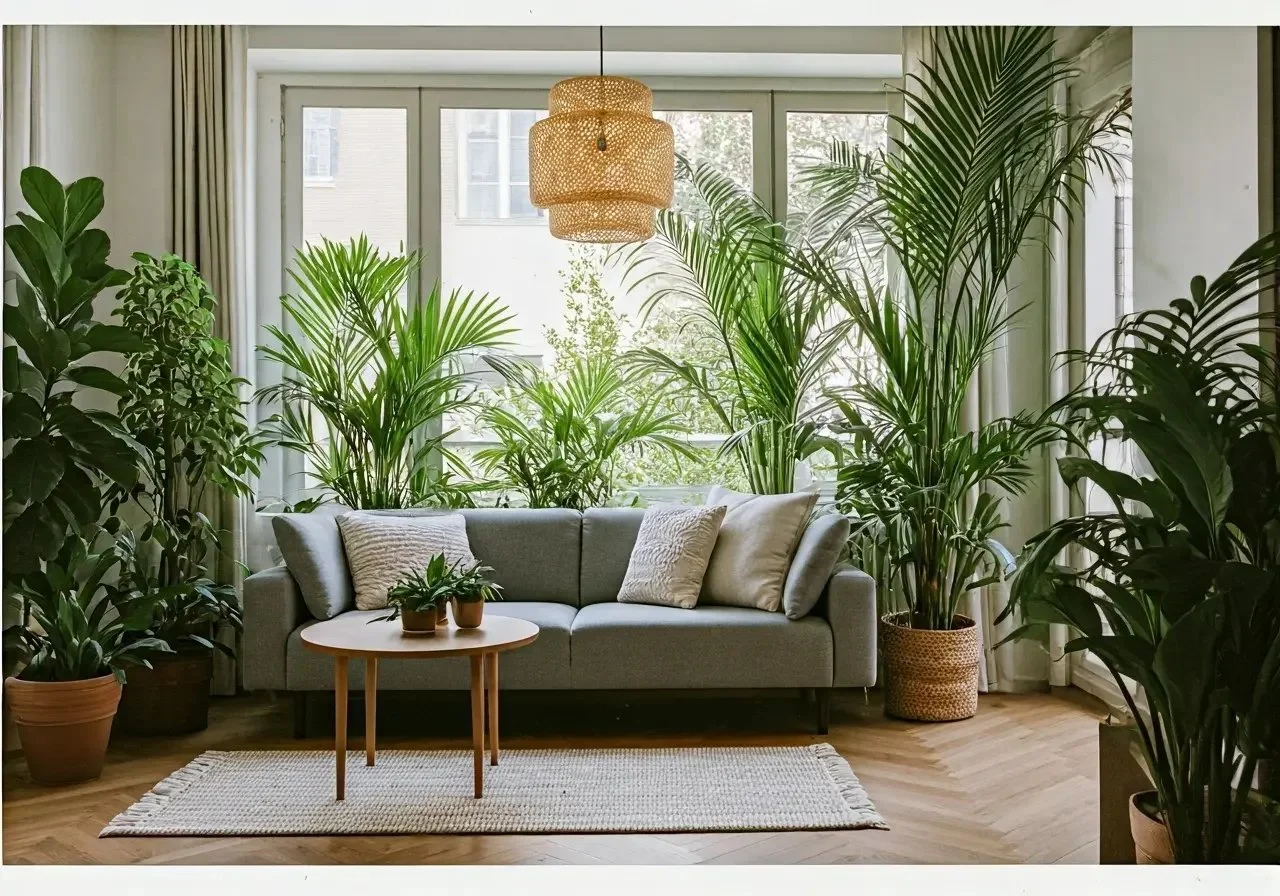
Understanding Wellness Design
Wellness design focuses on enhancing the quality of life through thoughtful and intentional design choices. It's about creating spaces that promote health, reduce stress, and increase happiness.
At its core, wellness design marries functionality with aesthetics to create environments that foster physical and mental health. This design approach emphasizes the integration of natural elements, optimized layouts, and strategic use of colors and materials. It's a holistic view, considering how our surroundings influence and impact our daily lives. As Pablo Picasso once said, 'Art washes away from the soul the dust of everyday life.' In the same vein, wellness design seeks to cleanse and revive our spirits through intentional space curation.
Moreover, understanding wellness design requires acknowledging its roots in various disciplines including psychology, ergonomics, and environmental science. These areas offer insights on how spaces can be tailored to meet human needs. For example, incorporating biophilic design—which emphasizes our innate attraction to nature—can enhance our connection to the natural world and improve overall well-being.
Incorporating Nature into Your Space
Integrating natural elements like plants, water features, and natural light can bring life and energy into your home. These elements not only beautify the space but also have proven benefits for mental health and well-being.
Biophilic design is an essential component of wellness design. It's about bringing the outside in and creating visual and physical connections to nature. For instance, lush green plants provide a refreshing vibrancy, while water features can serve as focal points that infuse areas with serenity. According to studies, exposure to nature helps decrease stress levels and improve mood, proving the therapeutic benefits can be seen in newly designed homes.
Beyond aesthetics, incorporating natural light into your home is pivotal for wellness. Not only does it enhance mood, but it also regulates sleep patterns and boosts productivity. Consider using sheer curtains that allow sunlight to spill into interiors or positioning workspaces near windows. Plants also brighten your space while purifying the air, making them a versatile choice. Consider low-maintenance options like succulents or ferns, which thrive indoors with minimal care. Creating pockets of greenery throughout your home can dramatically transform the ambiance, bringing peace and a sense of the outdoors inward.
Creating Tranquil Spaces for Meditation and Relaxation
Designate areas in your home for meditation or quiet reflection. Use calming colors, soft textures, and minimal distractions to create a sanctuary where you can unwind and recharge.
A dedicated meditation or relaxation zone is essential in wellness design. This space doesn't necessarily require much; a cozy corner with a plush cushion, a soothing candle, and maybe a small indoor fountain can offer tranquility reminiscent of a personal retreat. Think of this area as a personal haven where you can briefly escape from daily pressures. Calmness can be achieved with touches like subdued blue tones or earthy hues, promoting a serene atmosphere that is conducive to meditation. Moreover, gentle fabrics and soft furnishings further add to the relaxing vibe, inviting you to sit back and breathe deeply.
In these spaces, reducing outside noise is just as crucial. Consider soundproofing elements or even simple solutions like thick rugs or curtains to absorb sound. Display minimalistic art or spiritual symbols to enhance focus and contribute to your inner peace. If possible, elevate your experience by positioning this area where there is ample natural light or a view to an outside garden, further reducing stress and helping you feel connected to the world beyond.
The Role of Lighting in Wellness Design
Proper lighting is crucial in setting the mood of a space. Opt for adjustable lighting solutions that can shift from bright, energizing light to soft, soothing tones to support your daily activities and moods.
Lighting plays a pivotal role in wellness design, as it deeply influences both mood and productivity. The key lies in versatility. Incorporating adjustable lighting systems, like dimmable LED lights, allows you to tailor ambiance based on function and time. Bright light encourages alertness and energy during work hours, but as the day winds down, softer lighting helps the mind relax—a crucial transition for evening wind-down routines. Task lighting, such as focused desk lamps or under-cabinet lights, supports specific activities, ensuring your spaces are well-lit for purpose while maintaining an overall luminous harmony.
In addition, consider using light to highlight architectural features or specific design elements within your home. For instance, light strips concealed under shelves or lining pathways can guide footsteps while adding a modern flair. Accent lights can draw attention to art pieces or beautiful plants, enhancing the overall aesthetic warmth and appeal of the room.
Designing for Self-Care and Comfort
Consider elements that encourage self-care, such as cozy reading nooks, spa-like bathrooms, or areas dedicated to hobbies. Comfort should be at the forefront of wellness design, ensuring that your home feels like a retreat.
Personalizing spaces in your home to reflect aspects of your personality or interests is a powerful component of self-care. Whether it's a corner tailored for reading, complete with your favorite chair and a stack of books, or a hobby room stocked with necessary tools and materials, these areas cater to passions, thus nurturing mental well-being. Adding personal touches through decor or carefully selected furniture amplifies comfort, making these spots inviting and warm.
Transforming your bathroom into a spa-like haven is another way to enhance self-care at home. Consider incorporating elements like a rainfall showerhead, plush towels, or aromatic candles to evoke the tranquil feeling of a luxury spa. Such thoughtful additions encourage relaxation, allowing you indulge in moments of self-pampering without stepping outside your personal sanctuary. Explore more wellness ideas to ensure every corner of your home supports rejuvenation and comfort.
Balancing Sensory Experiences
A space that successfully balances sensory experiences can enhance well-being. Incorporate soothing sounds, pleasant scents, and tactile surfaces to create a harmonious environment for all the senses.
Designing for the senses is about crafting a multi-dimensional experience that stimulates positive emotional responses. Consider infusing spaces with calming music or nature sounds to create an auditory backdrop that's both relaxing and invigorating. Essential oil diffusers can disperse soothing fragrances, like lavender or eucalyptus, which promote calm and clarity. Tactile experiences are equally significant; offering a variety of textures, from soft blankets to rugged natural materials, ensures that each touchpoint is thoughtfully curated for comfort.
Color and visual stimuli also play a crucial role in sensory balance. Subtle color palettes can evoke a sense of peace and balance, while art or patterns add visual intrigue and variety. Mirrors can amplify light and space, enhancing the room's atmosphere. Mixing in plants not only connects visual and tactile elements but also contributes to acoustic comfort by absorbing noise. A holistic approach to sensory design ensures that every sense is considered, further harmonizing the environment and nurturing well-being.
Embracing Wellness Design for a Harmonious Home
Wellness design is more than just a trend; it's a commitment to creating a space that supports your physical and mental health. By focusing on nature, tranquility, self-care, and sensory balance, you can transform your home into a calming retreat. Embrace these essentials and enjoy the benefits of a harmonious, peaceful oasis.