
How Does Home Automation Design Integrate with Existing Interiors?
Integrating home automation with existing interiors can seem daunting. This FAQ aims to simplify the process, ensuring your smart home technologies blend seamlessly with your home's aesthetic.
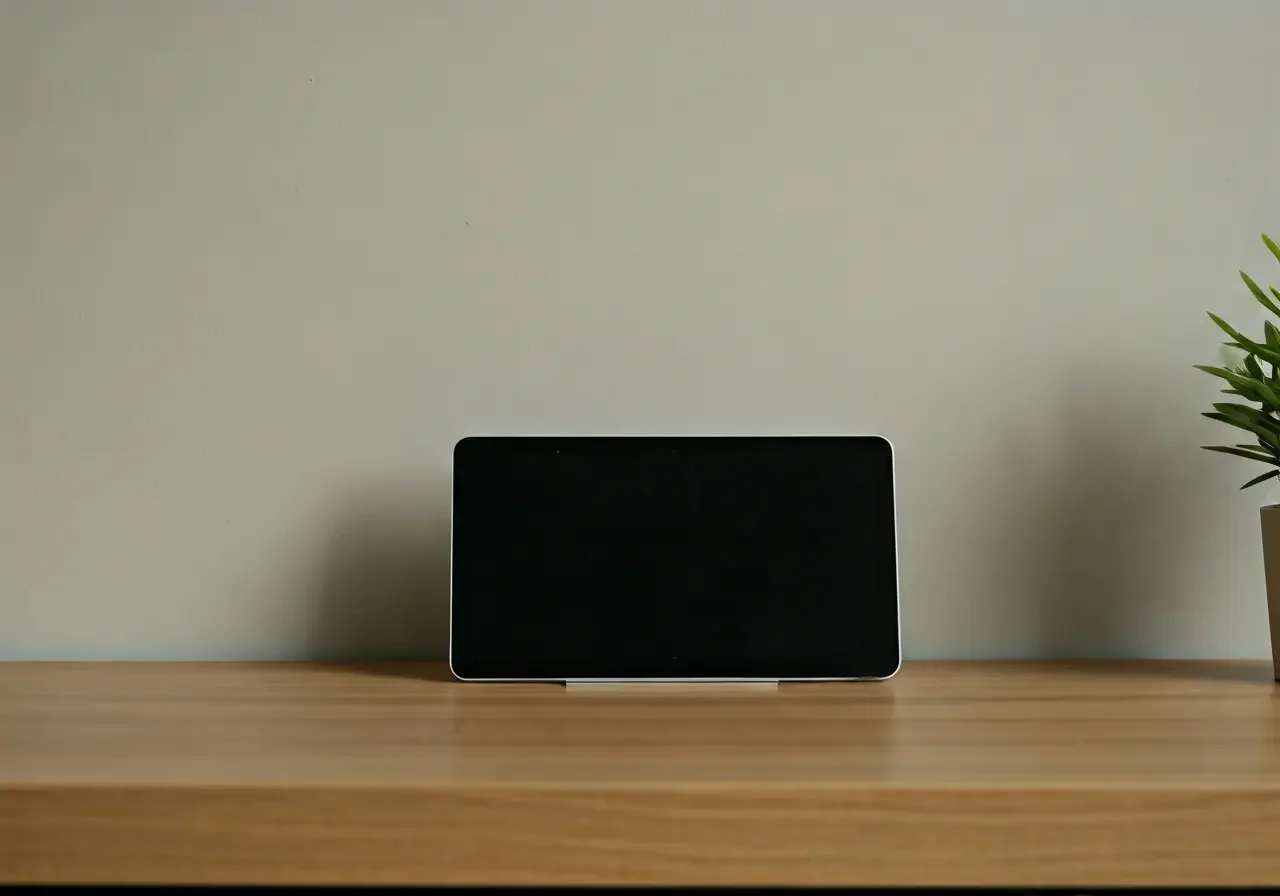
Understanding Your Current Interiors
Begin by evaluating the style, layout, and color scheme of your current space to identify the best automation solutions.
Every home is unique, and understanding your space is key to integrating technology effectively. Consider the architectural elements and materials in your home. For instance, if your home possesses a modern aesthetic with sleek lines and neutral tones, incorporating minimalist smart devices can enhance the existing look without overwhelming it. On the other hand, if you're working with a more traditional space filled with ornate details and warm wood finishes, selecting devices that can be discreetly integrated into existing pieces might be the way forward.
Furthermore, recognize how your space is used daily. High-traffic areas like living rooms or kitchens might benefit from automation that enhances functionality and convenience, such as voice-activated lighting or smart kitchen appliances. This understanding lays the groundwork for successful integration.
Choosing Compatible Devices
>Select smart devices that not only meet your needs but also complement your home's design to achieve a harmonious look.
In the realm of home automation, the market offers vast choices. It's essential to pick devices that align with both your practical needs and aesthetics. For instance, smart thermostats like Nest or Ecobee can blend seamlessly into a wall much like a traditional thermostat, yet offer sophisticated, modern functionality that aligns with a smart home's ethos.
Consider devices that offer customizability in finishes or colors, allowing them to blend or stand out according to personal preference. Brands that provide modular designs can also be advantageous, as they allow for future expandability and modifications as your needs and styles evolve.
Working with Existing Design Elements
>Incorporate automation into existing features, like light fixtures or furniture, to ensure a seamless integration.
One way to integrate home automation is to retrofit existing fixtures with smart capabilities. For instance, adding smart bulbs to existing light fixtures can provide the convenience of automation while preserving the original design of the lamp or chandelier. Similarly, motorized shades can be fitted to your existing window treatments, blending old-world charm with modern innovation.
Furniture also offers a platform for integration. Consider tables or desks with built-in wireless charging pads, or entertainment centers that conceal complex wiring for a streamlined appearance. Proper planning ensures these modern functions do not disrupt the visual harmony of your interiors.
Consulting with Design Professionals
Seeking the advice of interior designers can help you make sure your automation upgrades enhance rather than clash with your space.
Design professionals bring an eye for aesthetics alongside technical expertise. They can assist in selecting the right automation solutions that align with your design vision. Designers are often familiar with the latest trends in both home automation and interior design, providing insights that ensure your home is both functional and on the cutting edge of style.
Moreover, collaborating with professionals can result in a more bespoke solution, tailored specifically to your tastes, whether it's embedding speakers into ceilings for an immersive home theater experience or planning a centralized control system that operates the entire home seamlessly. Engaging with experts ensures these components enhance and unify your home's overall look and feel.
Seamlessly Merging Design and Technology
By carefully assessing your needs and working with existing designs, home automation can be an elegant addition to any space.