
What Are the Best Plants for Indoor Garden Design in Small Spaces?
Creating an indoor garden in a small space can be a delightful challenge. Whether you're new to gardening or a seasoned green thumb, choosing the right plants is key to thriving in limited areas. Let's explore some of the best indoor plants that can enhance your small space with lush greenery and vibrant life.
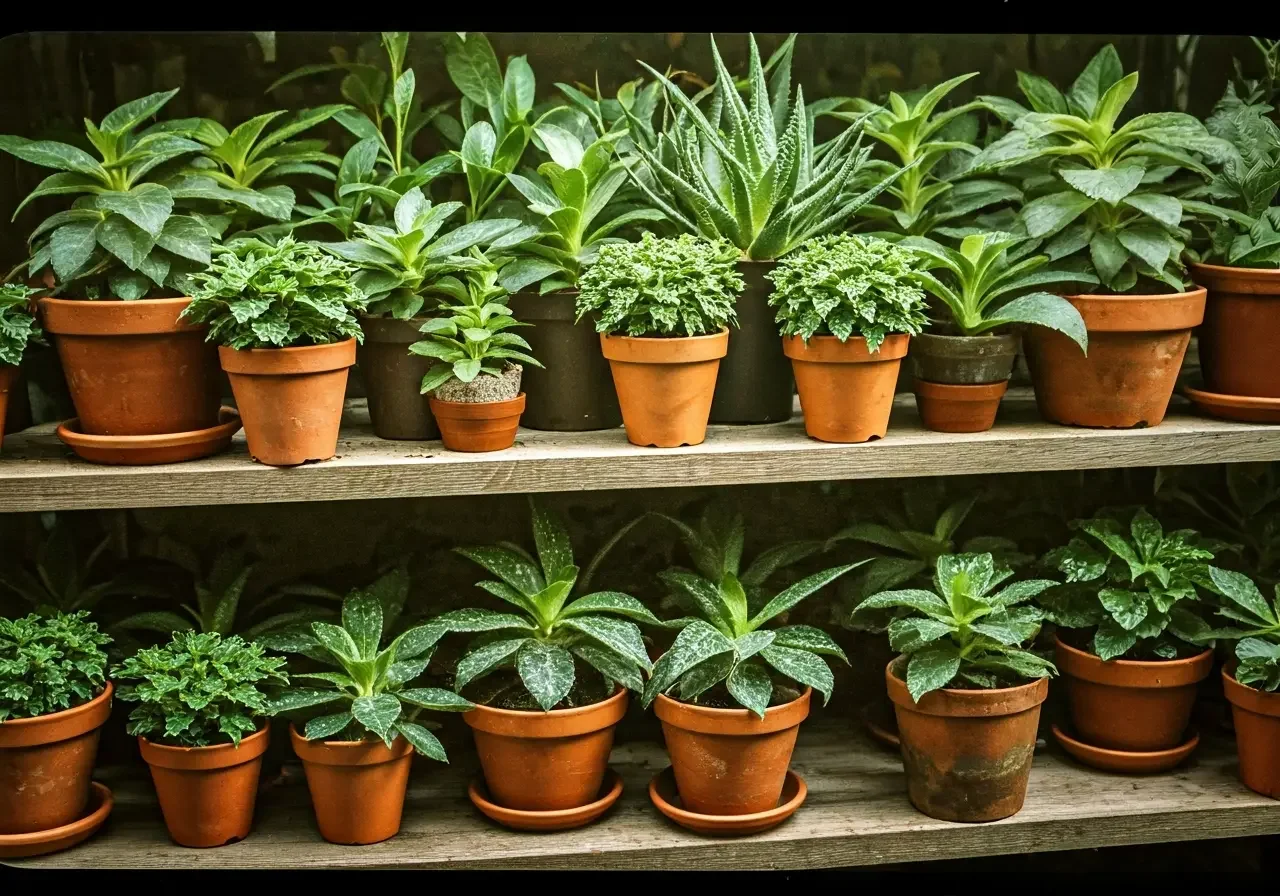
Consider Light Levels and Space
Consider where your indoor space receives natural light and how much. Understanding light levels will help you select plants that thrive in low, medium, or bright light conditions.
Light is one of the most crucial elements for indoor plants. For example, a north-facing window might offer diffused light all day, perfect for plants like ferns or peace lilies. Meanwhile, a south-facing window often provides bright light ideal for sun-loving varieties such as cacti and succulents. These distinctions will guide you to create a tailor-fit garden that harmonizes with the natural conditions of your home.
In addition to natural light, consider supplementing with artificial lighting. LED grow lights can be a great way to achieve optimal light conditions in rooms lacking sufficient natural light, making it easier to broaden the range of plants you can keep. This is particularly beneficial for small apartments where window real estate is limited.
Choose Easy-to-Maintain Plants
Select plants that are low-maintenance and adaptable. Think of snake plants, pothos, or peace lilies as they are great options for minimal care.
If you have a busy lifestyle, you'll appreciate having plants that require less attention. Pothos plants, for instance, can thrive in varying conditions and require infrequent watering, making them a beginner-friendly choice. Similarly, snake plants are known for their robust nature and ability to purify air, adding an extra benefit to your indoor garden.
Beyond choosing resilient plants, consider setting up a simple watering routine. With the aid of self-watering pots or a reminder system, you can nurture your indoor garden even in a time-crunched day-to-day schedule. This makes maintaining your lush space less of a chore and more of a relaxing activity.
Opt for Vertical Gardening Options
Maximize your space by going vertical. Use wall planters and hanging pots to add greenery without taking up precious floor space.
Vertical gardening isn't just practical; it's also a creative avenue to express your design tastes. Consider using shelving units to stagger plants at different heights, or investing in a wall-mounted grid where you can easily swap pots around. These setups not only make a delightful backdrop but can also create a fresh and airy atmosphere throughout your living area.
Certain plants naturally complement vertical gardening due to their trailing growth habit. English ivy and philodendron varieties are great picks, as they thrive when cascading down from higher points. Employing these species can transform any wall into a living work of art.
Incorporate Small or Compact Plants
Choose small or dwarf versions of plants like ferns or succulents that won’t overpower the room. Compact plants are perfect for tight areas.
Utilizing plants bred for compactness ensures every part of your small environment is curated for beauty. Varieties such as mini-monstera or compact zinnias pack the lushness of larger specimens but in a more space-efficient form. Their petite size also means you can group various species together to craft intricate compositions without crowding your available space.
Don't shy away from experimenting with air plants, which are particularly well-suited for compact living. They require no soil and can be creatively displayed in small terrariums or mounted on driftwood, allowing you to inject green into even the smallest nooks of the room.
Experiment with Textures and Colors
Mixing varied leaf textures and plant colors can add depth and interest. Try combining red anthuriums with green ferns for a contrasting look.
The interplay of different textures and hues can transform an ordinary room into something dynamic and visually appealing. Play with frilly ferns against the broad, glossy leaves of a rubber plant, or introduce pops of color with vibrant calatheas. This combination not only provides variety but can highlight different elements within your space, drawing the eye and enriching the overall aesthetic.
Consider incorporating flowering plants for a seasonal touch. Orchids, with their elegant blossoms, or African violets, with their colorful and fuzzy foliage, are excellent picks for adding sporadic bursts of color. Their blooms can be the focal point that ties together the textures and shades in your small indoor garden design.
Bringing Greenery to Small Spaces
Incorporating the right plants into your small indoor space can transform it into a lush, vibrant oasis. With these plant choices, even the tiniest apartment can become a green sanctuary. Experiment with different combinations and arrangements to find what works best in your unique setting.