

The houses that raised me.
and the quirks I miss.
I grew up in old houses, which means I grew up assuming floors were supposed to slant. Doors stuck in the summer. Hallways were narrow. Furniture sometimes needed a little shim underneath one leg because the room had settled in its own particular direction. You accepted it because the house was older than you and clearly had its own agenda.
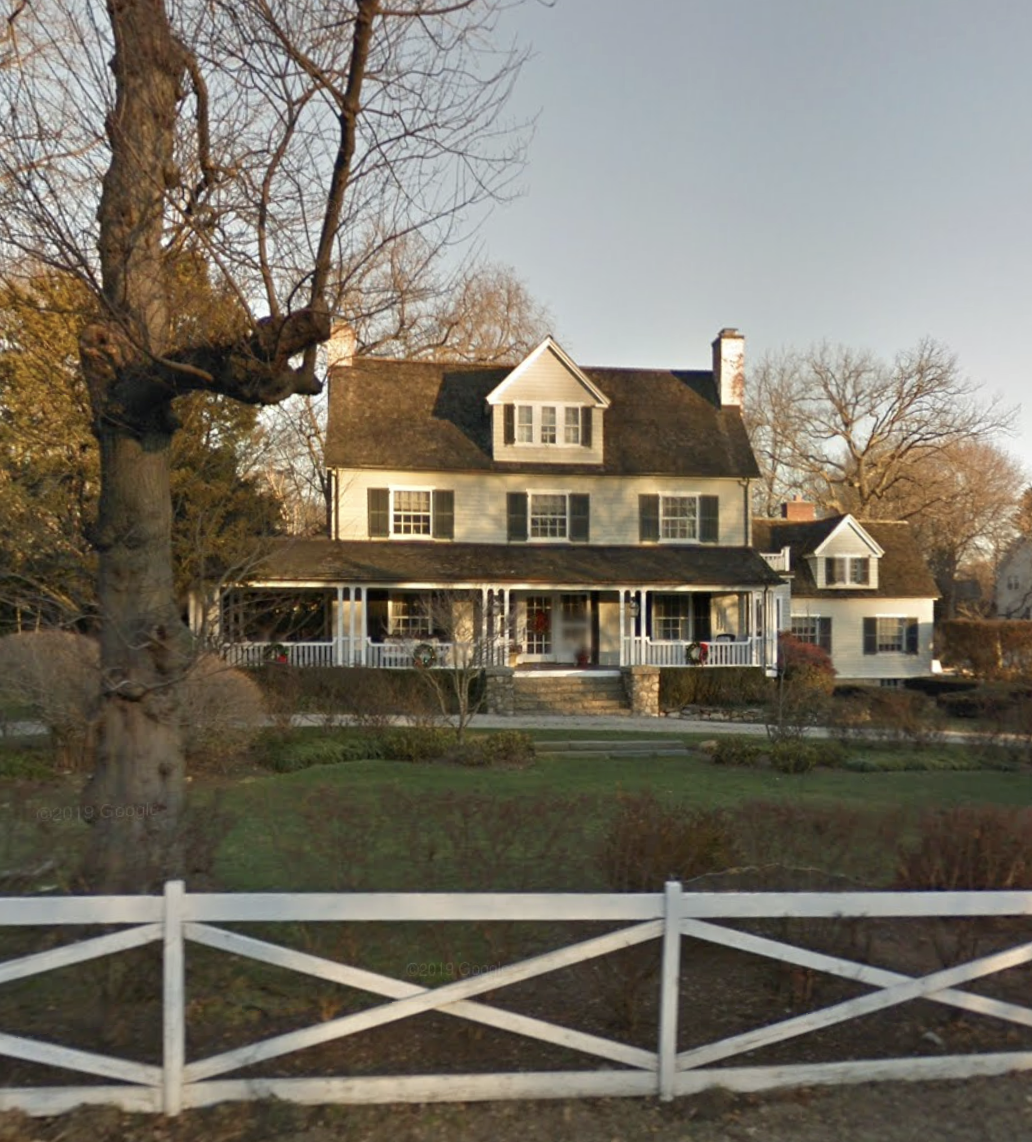
At the time, I did not think of any of this as charming. It was just normal and at times, annoying. You learned which door needed a gentle lift before it would close and which floorboard on the stairs would wake your parents.. You knew that “level” was more of a suggestion than a fact.
Then, at some point, you begin to appreciate the quirkiness. The thing that once annoyed you becomes the thing you would never want someone to rip out. A strange little corner gives a room personality.A tiny room meant for phone calls. A slightly crooked doorway reminds you that real people built this house, by hand, long before construction became as standardized as it is today. Perfection starts to look a little boring.
Old houses also teach you history without sitting you down for a lesson. The back stairs were always especially interesting to me. They were narrow, steep, and usually tucked away from the main staircase because they were not meant for the family or their guests. They were for the people working in the house.
In many older homes, the kitchen was also kept away from the formal rooms. Cooking was hot, messy, and labor intensive, and the people doing that work moved through a separate network of stairs and passages so the household could run without the work being seen. The architecture made the social hierarchy very clear: front and back, family and staff, display and labor.
That is not exactly something to romanticize. I can love the craftsmanship of an old house while still understanding what its floor plan tells us about class and who was expected to remain invisible. The beauty and the uncomfortable history can exist at the same time. In fact, paying attention to both makes the house more interesting, not less.
The closets tell another story. They are tiny. Really tiny. Sometimes you open a closet and wonder if it was intended for clothes or for dolls. But people generally owned fewer things, and much of their storage came from wardrobes, chests, and armoires. The idea of giving an entire room to shoes and handbags would have been hard to imagine.
And then there is the dining room, often one of the biggest and most important rooms in the house. It seems almost backward now: a tiny closet and an enormous dining room. But it tells you exactly what the house valued. Meals happened at a table. The dining room was not an occasional space saved for Thanksgiving; it was where people ate, gathered, talked, and entertained. The room earned its square footage.
I think about that a lot now. Our homes have gotten better at storing things, but not always better at bringing people together. We have walk-in closets, giant kitchen islands, and open rooms that do everything. They are convenient, and I am not giving mine up! But there was something very clear about a house that devoted its best proportions to the act of sitting down together.
The vestibule was another practical detail that had an emotional effect. It gave you a small space between outside and inside, a place where guests were greeted and muddy boots and wet coats could come off before anyone entered the main rooms. It was really a precursor to the modern mudroom, but it also did something a mudroom does not always do: it made arrival feel like an occasion.
You entered, paused, and then the house revealed itself. I love that. There was a moment to transition from public to private, from weather to warmth. Today, many front doors open directly into the center of the house. It is airy and dramatic, but there is no mystery. Everything is visible at once.
For a while, I wanted exactly that. I got tired of the oddities of older-house living and wanted clean surfaces, wider halls, bigger windows, and more air. I wanted a house that did not creak, lean, stick, or require a special trick to make something work. I wanted modern convenience without having to negotiate with the architecture every day.
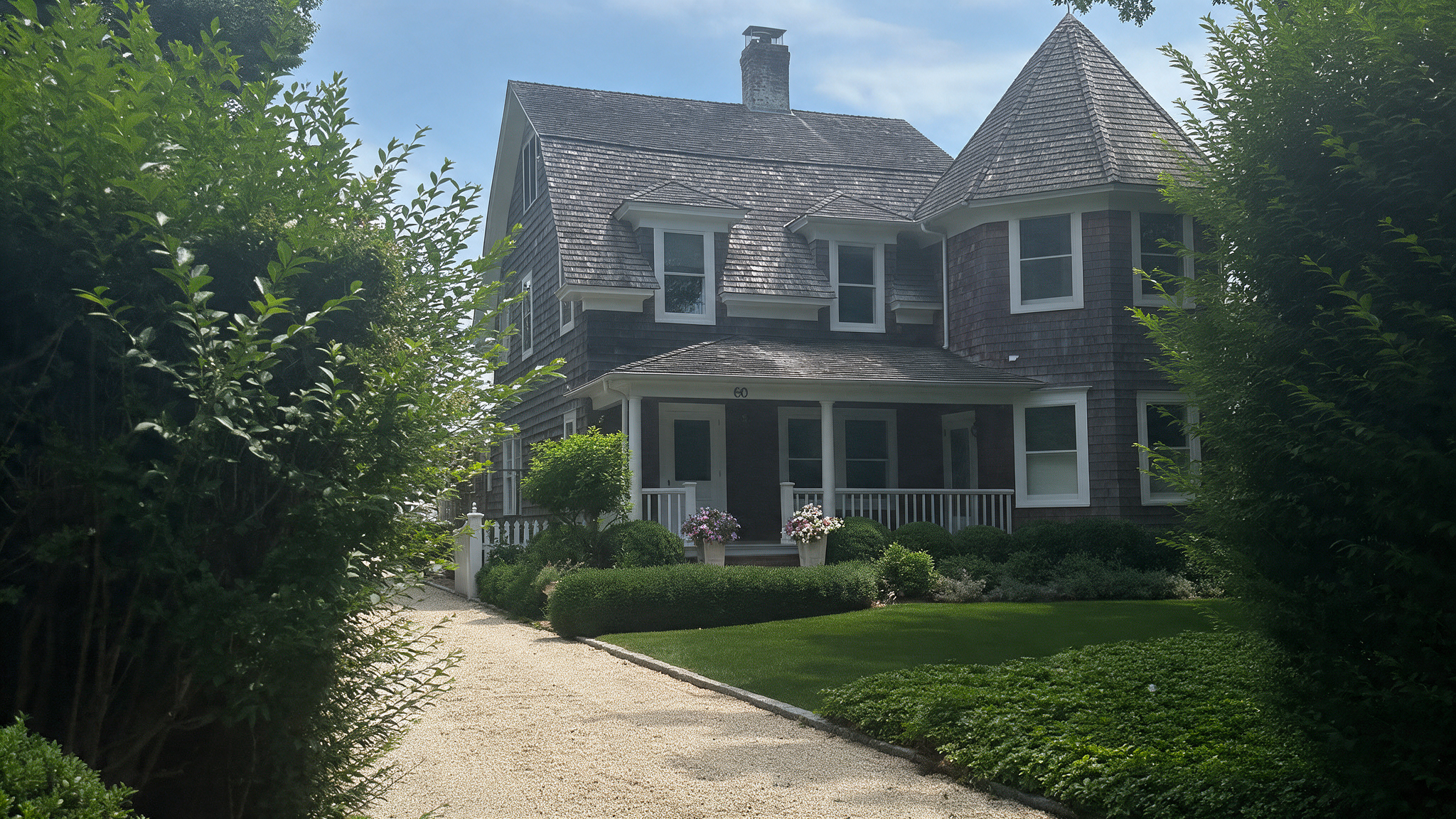
And to be fair, old houses can be a pain. Charm does not fix bad insulation. Patina does not create storage. A cramped kitchen is still a cramped kitchen, and there is nothing romantic about a renovation budget disappearing into plumbing you cannot even see.
But the older I get, the more I miss the warmth of a cozy room. I miss spaces with boundaries and a clear purpose. I miss the way a doorway can change the mood, and how a smaller room can make people feel closer. Open plans photograph beautifully, but sometimes a room that is slightly enclosed is the one where everyone actually wants to stay.
As a designer, I still love clean lines and airiness. I just no longer believe they are the only way for a house to feel sophisticated. Warmth has its own elegance. So does age. So does a floor that has been walked across for a hundred years and no longer sits perfectly straight.
The best renovations understand that character is not the opposite of comfort. We can make an old kitchen work for modern life without erasing every clue that it came from another era. We can add storage without flattening the room into a wall of cabinetry. We can bring in more light without turning every wall into glass. We can fix what genuinely does not work and leave alone the small imperfections that give the house its personality.
This is where design becomes less about imposing a look and more about listening. Which oddities are simply inconvenient? Which ones are carrying the soul of the house? Not everything old is sacred, but not everything uneven needs to be corrected either.
Maybe that is what I miss most. The feeling of being inside something that had already lived, something larger than me. A house with history and evidence that time endures. A house that did not pretend to be flawless. A house that asked you to adjust to it a little, and in return gave you warmth, history, and maybe a passing ghost.
These days, when I walk into a room that is a little too small, slightly off-kilter, and deeply cozy, I do not immediately imagine how to open it up. I try to Preserve the friction that creates the warmth.
This is the line I am always trying to find: Which inconvenience is simply expensive and annoying, and which imperfection gives the house its personality?
Lets face it, charming is wonderful but we do have to adapt to how we live now. Having a dollhouse sized closet is not practical so we have to enlarge them, yet when I hear that people bought the apartment below them to use as a closet, I do secretly ask myself where are these people’s priorities. In my line of work with the growing multi 100’s of millionaires arising everyday practicality is not a concern of their’s.
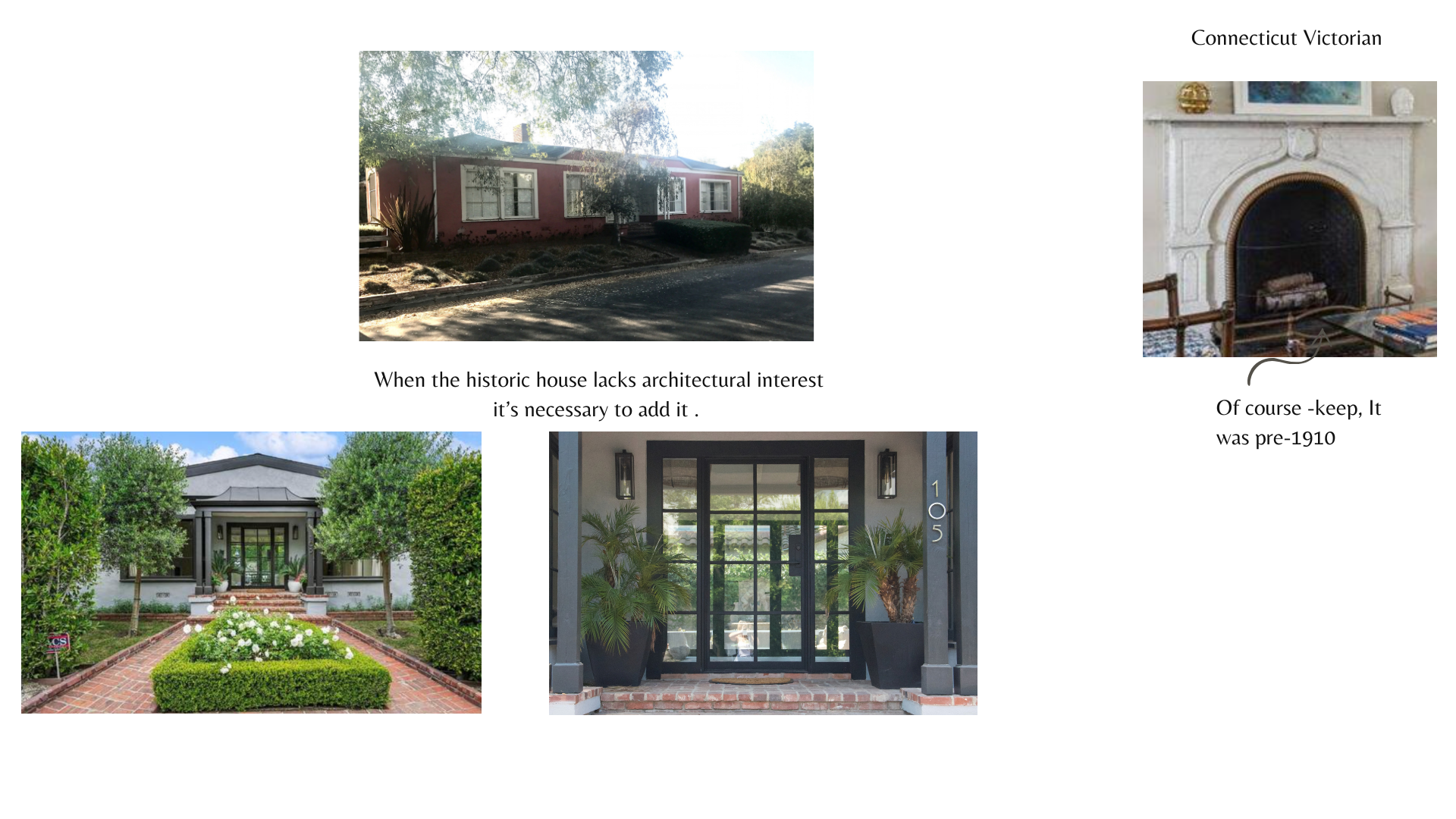
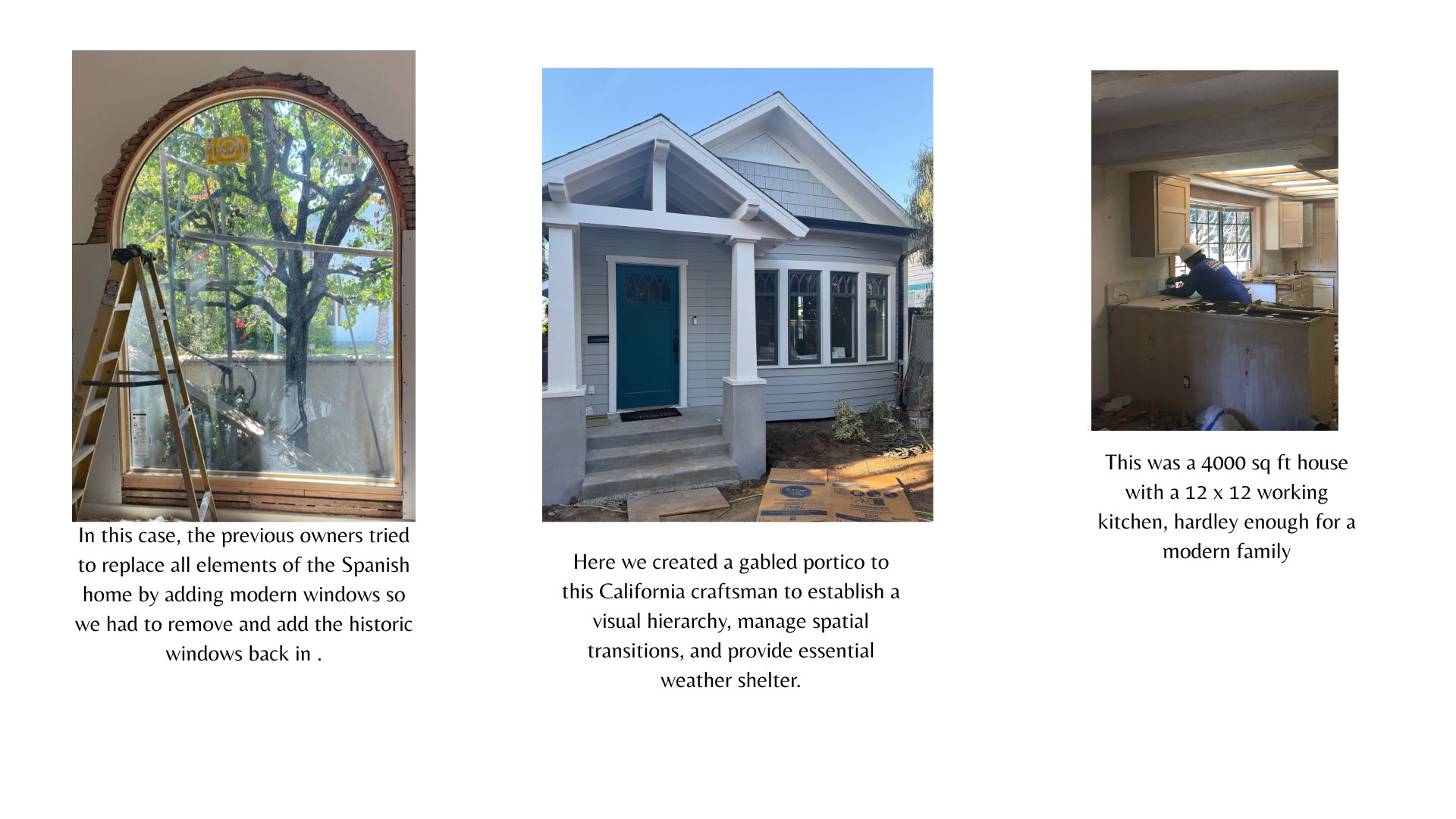
Back in reality, here are some of the elements of the past I like to keep in a home and the ones I don’t. These are from some of my projects.
I’ll admit there was a stretch when I’d had enough of all of it. The drafts, the doors that stuck, the rooms chopped into little boxes with a wall in every spot you’d want an opening. I wanted clean surfaces, wide hallways, open sight lines, and rooms that felt airy and uncluttered, where nothing creaked and everything was square. I think many of us go through that phase, and I don’t regret it. There’s a lot to love about light and space.
But the older I get, the more I miss the cozy room.
I miss the small sitting room with a fire going, where the ceiling is low enough that the space wraps around you. I miss closing the pocket doors on a winter evening and having the whole world shrink to one warm room. I miss the nook built for exactly one person, one chair, and one good lamp. A big open room is wonderful for a party. A small room is wonderful for a life.
So these days I find myself drawing on those lessons, even in brand-new construction. I think about the pause of a proper entry, rooms with a defined purpose, and a fireplace you actually gather around. I think about warmth as a design decision, not an accident.
This essay was originally published on my Substack. Read and subscribe on Substack.